
Turkey, and especially Istanbul, is a high-volume destination for hair transplantation with established surgical workflows and standardized techniques. Postoperative outcomes, however, are strongly influenced by patient compliance and adherence to medical guidance, regardless of where the procedure is performed.1,3
Mistake 1: Choosing Based on Price Without Understanding What It Reflects
International patients often compare clinics primarily by cost. While Turkey offers competitive pricing, differences in price usually reflect variations in surgeon involvement, graft handling protocols, and postoperative support, not the procedure itself.
Clinical literature shows that graft survival and cosmetic outcomes depend heavily on ischemia time, graft hydration, handling quality, and implantation technique.2,4,5 Choosing without understanding how these factors are managed increases the risk of uneven growth or suboptimal density.1
Mistake 2: Assuming Full Surgeon Involvement at Every Step
The level of surgeon involvement varies significantly between providers. Some clinics limit surgeon participation to planning, while others involve the surgeon in recipient site creation and oversight of implantation.
Quality control studies emphasize that extraction planning, recipient site design, and supervision of graft placement directly affect angulation, density distribution, and transection rates.4,5 Limited supervision increases variability in outcomes.2
Find the Best Hair Transplant Clinics in Istanbul
Compare carefully selected hair transplant clinics in Istanbul, Turkey.
Review patient feedback, treatment options, and package transparency to shortlist providers with confidence.
Mistake 3: Underestimating the Early Recovery Period
Hair transplantation is often perceived as a minimally disruptive procedure. In reality, the first one to two weeks after surgery represent the most sensitive healing phase for graft anchoring and wound recovery.1,4
During this period, mechanical disturbance, excessive sweating, and poor hygiene can aggravate swelling, itching, and irritation.1,3 Planning return travel or physical activity too early can make recovery more difficult, even when graft survival is not compromised.
Mistake 4: Ignoring Donor Area Limitations
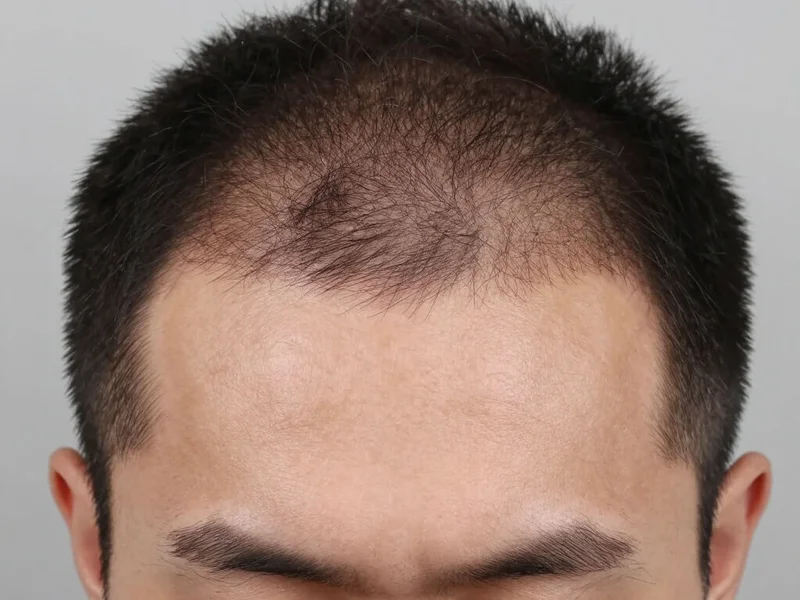
The donor area has a finite capacity. Clinical research consistently shows that overharvesting can result in visible thinning, scarring, or compromised future transplant options.2,5
International patients sometimes request higher graft counts without understanding donor density limits. This is particularly relevant for younger patients or those with progressive hair loss patterns.2,4
Mistake 5: Expecting Immediate or Guaranteed Results
Hair growth after transplantation follows biological cycles. Transplanted hairs typically shed before entering a new growth phase, and visible density develops gradually over several months.2,6
Clinical reviews emphasize that early shedding and delayed regrowth are normal and not indicators of failure.1,3 Unrealistic expectations often lead to unnecessary concern or dissatisfaction
Mistake 6: Inadequate Aftercare Planning and Communication
Complication reviews consistently identify poor aftercare compliance as a major contributor to infection, folliculitis, and prolonged irritation after hair transplantation.1
Clear postoperative instructions, realistic recovery planning, and access to follow-up support are especially important for patients returning home shortly after surgery.1,4
Mistake 7: Treating Hair Transplantation as a One-Time Solution
Hair transplantation redistributes existing follicles but does not halt the progression of androgenetic alopecia. Long-term planning is essential, particularly for younger patients.
Clinical literature stresses the importance of anticipating future hair loss patterns to avoid unnatural density distribution or donor depletion over time.2,4,5
Why Planning Errors Matter More for International Patients
Travel adds logistical complexity to recovery, including timing, physical activity, and access to follow-up care. While Turkey offers extensive experience in hair transplantation, postoperative outcomes remain closely tied to patient behavior and compliance, not location alone.1,3
Most reported complications are preventable when medical guidance is followed consistently.1
Turkey is a high-volume destination for hair transplantation with established surgical protocols. Postoperative outcomes are strongly influenced by patient compliance and adherence to medical guidance.1,3
International patients who understand donor limitations, recovery timelines, aftercare requirements, and long-term planning considerations are better positioned to achieve predictable and satisfactory results.