A spring hair transplant in Istanbul is often chosen by patients seeking a more comfortable recovery period rather than improved surgical outcomes. Hair transplantation itself is not season-dependent, but clinical evidence shows that the early postoperative phase is highly sensitive to environmental stress, and spring conditions in Turkey help reduce several of these stressors.1,3,4
Why Early Healing Conditions Matter
After transplantation, hair follicles must survive a temporary ischemic phase and then establish new blood supply in the recipient area. Research shows that the first one to two weeks after surgery represent the most vulnerable period for grafts and surrounding tissue.4,5
During this phase, excessive heat, dehydration, moisture imbalance, crust formation, and mechanical disturbance can aggravate swelling, itching, and irritation, even if they do not affect long-term graft survival.1,4
Find the Best Hair Transplant Clinics in Istanbul
Compare carefully selected hair transplant clinics in Istanbul, Turkey.
Review patient feedback, treatment options, and package transparency to shortlist providers with confidence.
Spring Weather in Istanbul and Its Clinical Relevance
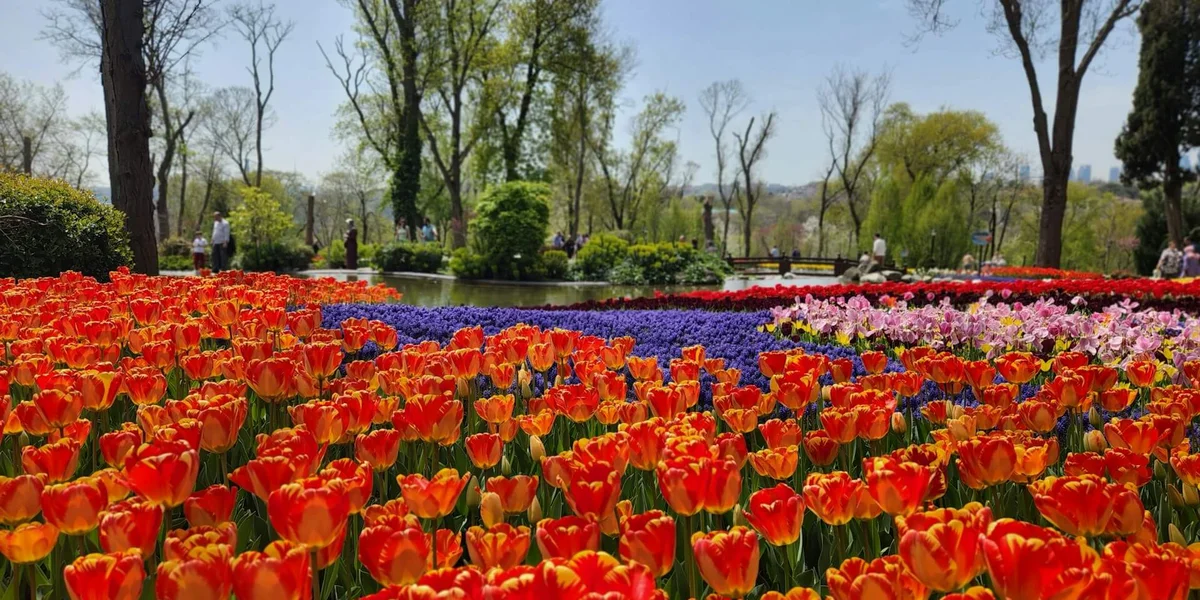
Spring in Istanbul and northwestern Turkey is characterized by moderate temperatures and relatively stable humidity. These conditions reduce excessive sweating while avoiding the cold-related dryness seen in winter.
Clinical literature highlights that sweating and moisture imbalance complicate scalp hygiene and crust management, while excessive dryness can worsen postoperative itching.1,3 Spring conditions naturally limit both extremes, making aftercare routines easier to follow.1,2
Hygiene, Crusting, and Infection Risk in Spring
Postoperative infections after hair transplantation are uncommon, but when they occur, they are most often associated with poor hygiene and excessive crust accumulation, not season alone.1
Spring conditions support:
- easier scalp washing
- gentler crust softening
- reduced irritation during hygiene routines
These factors help lower the likelihood of avoidable early healing complications when postoperative instructions are followed correctly.1,2,5
How Does Spring Compare to Other Seasons for a Hair Transplant?
A spring hair transplant in Istanbul is often considered one of the most comfortable options for early recovery due to moderate temperatures and stable humidity. These conditions help reduce excessive sweating and limit dryness-related irritation during the sensitive postoperative period.1,2,3
Compared with autumn hair transplant in Istanbul, spring offers similarly balanced recovery conditions. Autumn may feel slightly drier as temperatures decline, while spring tends to provide a fresher climate during early healing. From a medical perspective, both seasons are equally suitable and differ mainly in personal comfort preference.1,3,4
Compared with summer hair transplant in Turkey, spring involves significantly less heat and humidity, which reduces sweating-related hygiene challenges and irritation during the first postoperative days. Summer procedures remain medically safe, but they require stricter recovery precautions.1,2,4
Compared with winter hair transplant in Istanbul, spring avoids cold-related scalp dryness and itching while still benefiting from lower environmental stress than summer. Winter is a safe alternative, but some patients experience increased dryness during recovery.1,3,5
Overall, spring is frequently chosen by patients who want predictable, low-stress recovery conditions without seasonal extremes. While season does not influence graft survival or long-term results, spring can make postoperative care easier to manage during the most sensitive healing phase.1,2,3,4,5
Spring hair transplantation in Istanbul offers balanced environmental conditions that reduce recovery-related challenges such as sweating, dryness, and hygiene difficulty. While spring does not change long-term outcomes, it supports a smoother and more manageable healing period during the most sensitive postoperative phase.1,3,4,5