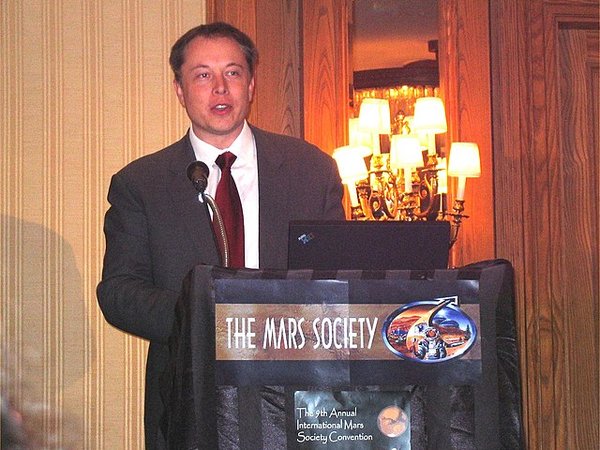
Early recession clearly visible
The hairline is already recessed, particularly at the temples. Frontal density is thin and uneven, with visible scalp. The overall look aligns with early but advancing male-pattern hair loss.

A chronological, image-based review of Elon Musk’s public appearances reveals a clear shift from progressive thinning to restored frontal density, with the most significant change occurring between 2011 and 2013.
Key details from the dossier.
Observations based on public appearances. Not medically confirmed.
From 2000 to 2009, publicly available images show progressive frontal hair loss and recession.
Between 2010 and 2013, a clear and lasting transformation occurs, marked by a reconstructed hairline and significantly improved frontal density.
From 2013 onward, the appearance remains stable through 2019, with continuity extending into 2025 based on the absence of visible regression.
Based solely on the images provided, the changes are most consistent with a hair transplant performed within the 2011–2013 window, though no public confirmation exists.
A visual timeline based on public appearances over time.
The hairline is already recessed, particularly at the temples. Frontal density is thin and uneven, with visible scalp. The overall look aligns with early but advancing male-pattern hair loss.

Temple recession deepens and the frontal third loses structure. Hair appears pushed forward rather than supported by density, indicating progression rather than stabilization.
One of the weakest points in the timeline. Frontal density is significantly reduced and the hairline sits high and irregular. Scalp visibility is clear under neutral lighting.
No visible improvement compared to 2006. The hairline remains elevated with low density across the frontal zone, reinforcing that hair loss was ongoing at this stage.
Frontal coverage remains inconsistent and thin. This appearance represents the final clearly thinning phase before a major shift becomes visible.
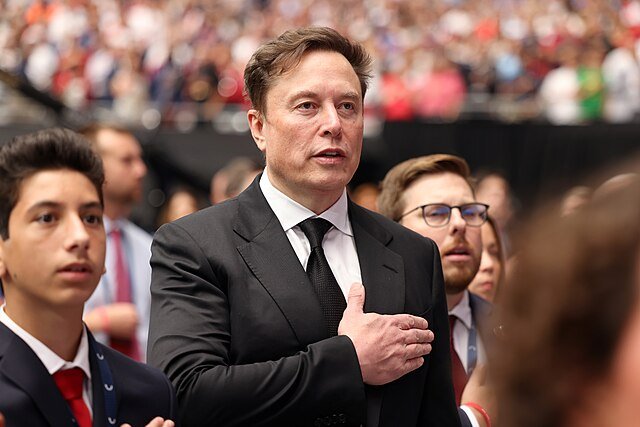
A decisive visual shift is evident. The hairline appears lower, more regular, and naturally contoured. Frontal density increases substantially, with reduced scalp visibility. The scale and symmetry of change exceed what styling, lighting, or temporary concealment would explain. This year represents the confirmation point within the 2011–2013 window.
Results appear stable and mature. The reconstructed hairline holds its shape, and density across the frontal third remains even, consistent with post-procedure maturation.
Coverage remains balanced with no visible regression. Hair texture and distribution suggest a settled, long-term result rather than a temporary improvement.
Overall density continues to appear strong. Minor age-related changes are visible, but there is no return to the pronounced recession seen before 2010.
The established pattern indicates sustained coverage and a preserved hairline in later public appearances. There is no visual evidence—within the provided timeline—of regression toward the pre-2010 thinning pattern, suggesting long-term maintenance of the post-2013 hair transplant result.